Archives
- 2026-09
- 2026-08
- 2026-07
- 2026-06
- 2026-05
- 2026-04
- 2026-03
- 2026-02
- 2026-01
- 2025-12
- 2025-11
- 2025-10
- 2025-09
- 2025-03
- 2025-02
- 2025-01
- 2024-12
- 2024-11
- 2024-10
- 2024-09
- 2024-08
- 2024-07
- 2024-06
- 2024-05
- 2024-04
- 2024-03
- 2024-02
- 2024-01
- 2023-12
- 2023-11
- 2023-10
- 2023-09
- 2023-08
- 2023-06
- 2023-05
- 2023-04
- 2023-03
- 2023-02
- 2023-01
- 2022-12
- 2022-11
- 2022-10
- 2022-09
- 2022-08
- 2022-07
- 2022-06
- 2022-05
- 2022-04
- 2022-03
- 2022-02
- 2022-01
-
Hsp also called FK binding protein FKBP is one
2023-12-20
Hsp56 (also called FK506-binding protein 52, FKBP52) is one of the steroid receptor-associated immunophilins with tetratricopeptide repeat domains, which serve as binding sites for Hsp90 (Peattie et al., 1992). Hsp56 is elevated in breast cancer compared with normal breast tissue (Ward et al., 1999)
-
We provide here direct evidences that
2023-12-20
We provide here direct evidences that AT1 receptors are active in ADSCs since Ang II induces intracellular Ca mobilization in these cells. Data obtained during the observation of Ca influxes led us to the search for the ADSCs subpopulation constantly expressing AT1 receptor. ADSCs are necessary for
-
This evidence suggests the strong clinical relevance of the
2023-12-20
This evidence suggests the strong clinical relevance of the identification of acquired resistance mechanisms for a proper therapeutic decision in patients with ALK-rearranged NSCLC. When the tissue is not available, the analysis of circulating tumor DNA (cfDNA) can be a valid alternative for the det
-
br Acknowledgements The authors would
2023-12-20
Acknowledgements The authors would like to thank Dr. Bradford B. Lowell for providing us with β-less and WT breeding pairs. Funding sources: This work was supported by NIH Grant DK028082 (to E.M.F) and by an Institutional Research Training Grant NRSA 5T32DK751627 (to N.D.). Introduction The e
-
A more versatile cellular delivery system for adenosine
2023-12-20
A more versatile cellular delivery system for adenosine was generated by engineering mouse embryonic stem cells to lack both Cyclo(RGDyK) of Adk (Fedele et al., 2004). Using a step-wise differentiation protocol (Okabe et al., 1996) Adk−/− ES cells were differentiated into transplantable adenosine-re
-
The biological characteristics of cancer invasion and metast
2023-12-20

The biological characteristics of cancer invasion and metastasis are mainly attributed to the poor prognosis in cancer. It has been reported that overexpression of Ack1 promoted the migratory and invasive properties of breast cancer Amyloid β-Peptide (1-42) by sustaining expression of epidermal gro
-
Despite hydrolysis with commercial enzymes like trypsin
2023-12-19
Despite hydrolysis with commercial enzymes like trypsin, pepsin, Alcalase, Flavourzyme and Thermolysin have been used to digest parent proteins and generate peptides, microbial fermentation by proteolytic species has also proved to be a successful strategy (Fakhfakh et al., 2013, Jemil et al., 2016,
-
Two critical determinants of receptor trafficking
2023-12-19
Two critical determinants of receptor trafficking are found within the GABAB1 cytoplasmic tail: the di-leucine internalization signal (EKSRLL) (Margeta-Mitrovic et al., 2000, Restituito et al., 2005) and the ER retention signal (RSRR) (Calver et al., 2001, Margeta-Mitrovic et al., 2000, Pagano et al
-
A disruption of lung barrier function
2023-12-19

A disruption of lung barrier function caused by PM2.5 has been observed in our experiments; however the underlying mechanism has not been investigated. Zhao et al. (2018) reported that PM2.5 down-regulated the expression levels of tight junction (TJ) proteins and resulted in nasal epithelial barrier
-
Mitochondria are key organelles involved in
2023-12-19
Mitochondria are key organelles involved in the mechanism of apoptosis (Xiong et al., 2014), and loss of ΔΨm is an important marker associated with mitochondrial dysfunction and cell death. We found that Mino induced ΔΨm impairment and nuclear fragmentation in Jurkat H-Lys(Ac)-OH.HCl in a concentra
-
br Epidemiology br Genetics The dominantly
2023-12-19
Epidemiology Genetics The dominantly inherited PrP cerebral amyloidoses are genetically transmitted with a penetrance of almost 100%. Early linkage analysis studies helped to established the relationship between GSS and mutations in the PRNP gene. PRNP is located on the short arm of chromosome
-
br Acknowledgements This work was supported in
2023-12-19
Acknowledgements This work was supported, in part, by NIH grant R01-GM071760. Introduction The MADS box genes encode a eukaryotic family of transcriptional regulators involved in diverse and important biological functions. This class of proteins has been identified in yeasts, plants, insects,
-
To the best of our
2023-12-19
To the best of our knowledge, there have been only a few reports on antiangiogenic activities about C. sanki, and its antiangiogenic constituents as well as its mechanism of action are worthy of further exploring and studying. Therefore, we carried out a bioassay-guided investigation of C. sanki in
-
In addition a substantial knowledge has been gained about
2023-12-19
In addition, a substantial knowledge has been gained about the main properties of AT1R, such as ligand preference, signaling, regulation, and trafficking. However, it is less known how AT1R and other plasma membrane receptors affect each other’s function, and how these crosstalk mechanisms can be ut
-
br Results br Discussion Many tumor cells rely on EAAs
2023-12-19
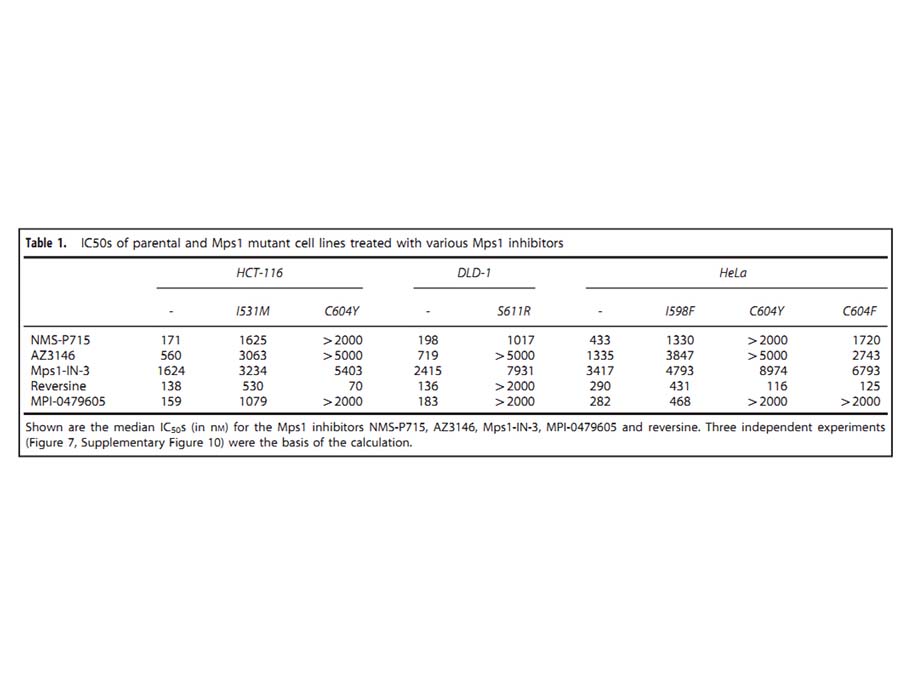
Results Discussion Many tumor AZD3264 australia rely on EAAs to provide fundamental building blocks for macromolecular biosynthesis because they cannot synthesize EAAs de novo (Hattori et al., 2017; Sheen et al., 2011). Therefore, they must use highly effective transporters to maximize EAA up
8032 records 256/536 page Previous Next First page 上5页 256257258259260 下5页 Last page