Archives
- 2026-08
- 2026-07
- 2026-06
- 2026-05
- 2026-04
- 2026-03
- 2026-02
- 2026-01
- 2025-12
- 2025-11
- 2025-10
- 2025-09
- 2025-03
- 2025-02
- 2025-01
- 2024-12
- 2024-11
- 2024-10
- 2024-09
- 2024-08
- 2024-07
- 2024-06
- 2024-05
- 2024-04
- 2024-03
- 2024-02
- 2024-01
- 2023-12
- 2023-11
- 2023-10
- 2023-09
- 2023-08
- 2023-06
- 2023-05
- 2023-04
- 2023-03
- 2023-02
- 2023-01
- 2022-12
- 2022-11
- 2022-10
- 2022-09
- 2022-08
- 2022-07
- 2022-06
- 2022-05
- 2022-04
- 2022-03
- 2022-02
- 2022-01
-
Tumor tissues often experience hypoxia owing
2025-02-07
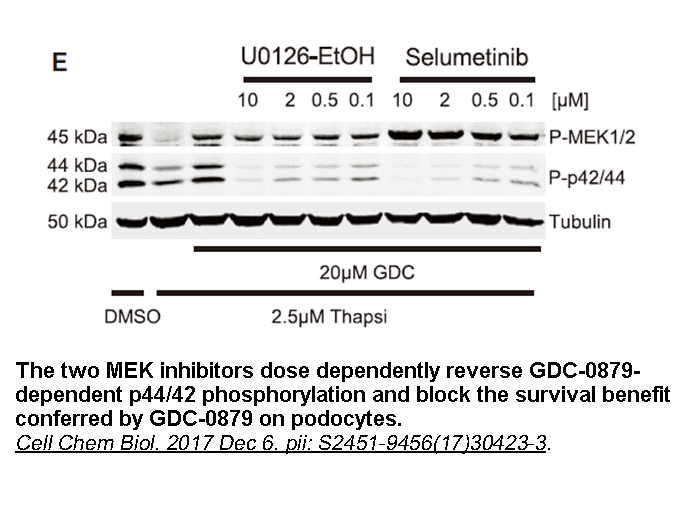
Tumor tissues often experience hypoxia owing to accelerated growth rates of malignant cells, accumulation of metabolic products, disorganization of tumor blood vessels, and high interstitial fluid pressures (Makino et al., 2001). In response to AAD treatment, tumor vascular density often decreases t
-
In addition a substantial knowledge
2025-02-07
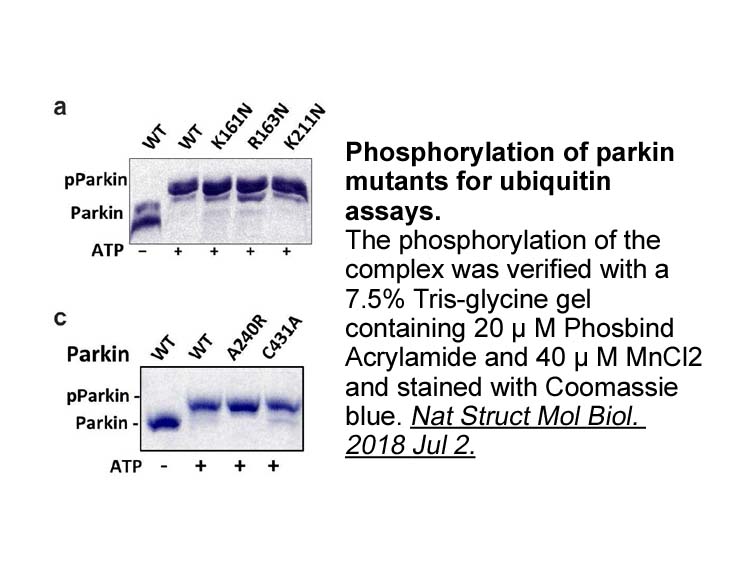
In addition, a substantial knowledge has been gained about the main properties of AT1R, such as ligand preference, signaling, regulation, and trafficking. However, it is less known how AT1R and other plasma membrane receptors affect each other’s function, and how these crosstalk mechanisms can be u
-
In light of several reports of defects in memory related
2025-02-07
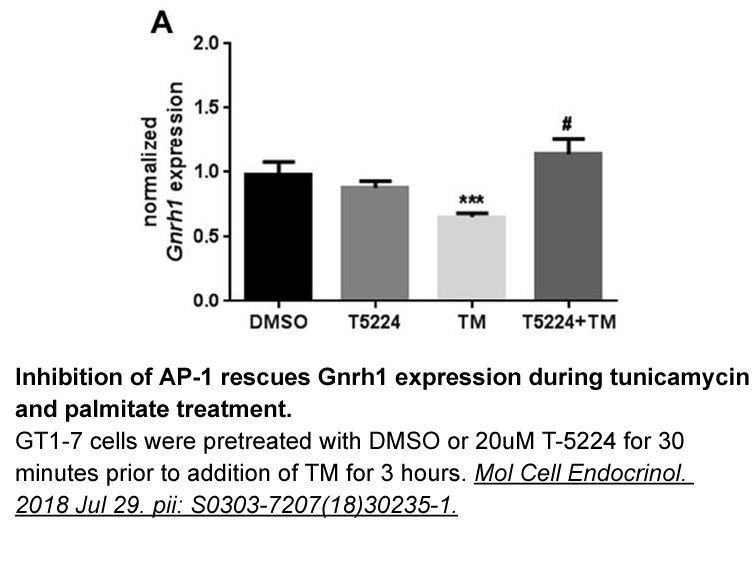
In light of several reports of defects in memory-related tasks for the dysbindin-deficient mice (Cox et al., 2009, Takao et al., 2008), it was rather unexpected that an enhancement of CA3–CA1 LTP was observed in our investigation as well as in another independent study (T.T. Tang et al., 2009). The
-
Aberrant or a sustained activation
2025-02-06
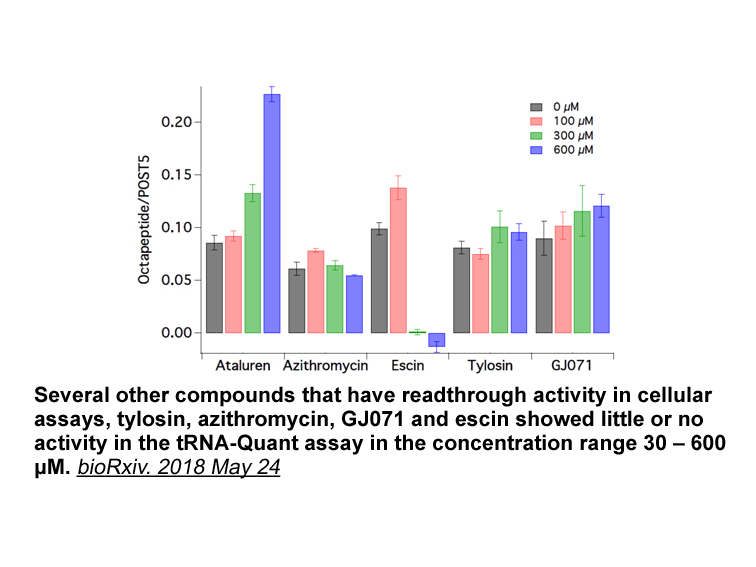
Aberrant or a sustained activation of AhR signaling pathway, triggered by exogenous toxic ligands such as dioxins, PAHs or polychlorinated biphenyls (PCBs), is a well-described biological process engaged during tumor initiation and/or promotion in various tissues (e.g. liver, lung, skin)(reviewed in
-
Ambient levels of ppm ozone
2025-02-06
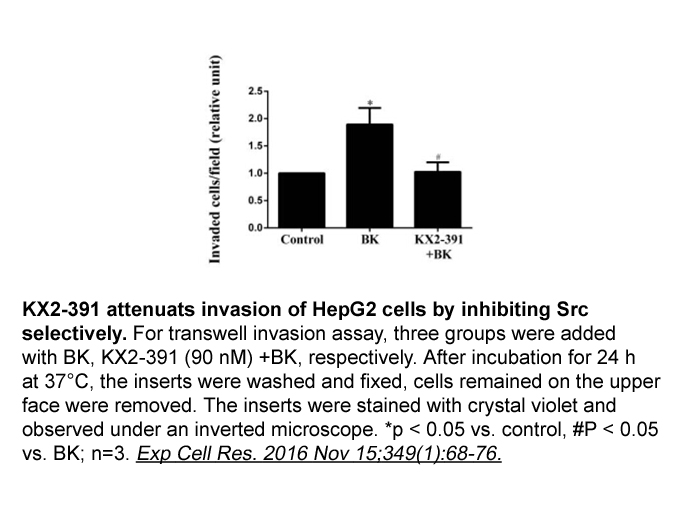
Ambient levels of 0.2ppm ozone were recorded during a recent 2017 weather event in Texas, United States (EPA, 2007). This concentration or higher levels have been used in several human clinical studies during intermittent exercise (Miller et al., 2016c). Although ozone concentration of 0.8ppm used i
-
ADORs accomplish a variety of physiological effects in diffe
2025-02-06
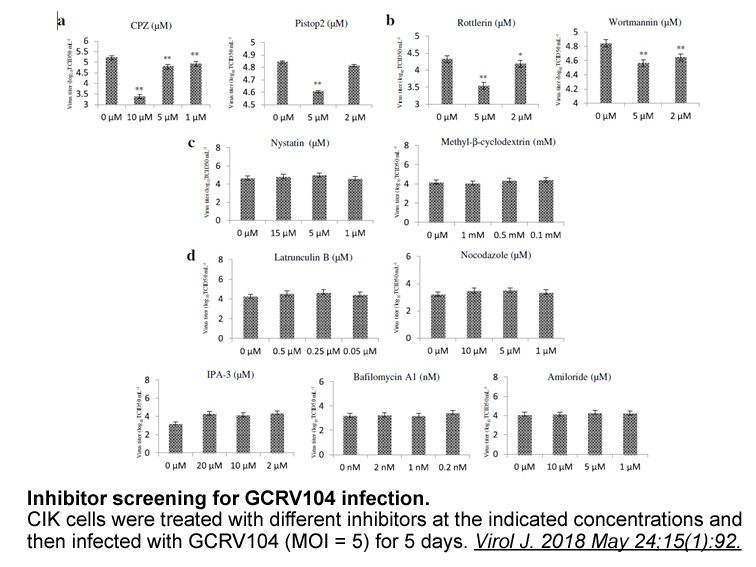
ADORs accomplish a variety of physiological effects in different tissues. In neurons, ADORs regulate the release of neurotransmitters such as dopamine and glutamate (Ferré et al., 1992; Fredholm and Dunwiddie, 1988; Ginsborg and Hirst, 1972; Gonçalves et al., 2015; Quarta et al., 2004; Stella et al.
-
br Conclusions and clinical relevance Astrogliosis and an in
2025-02-06
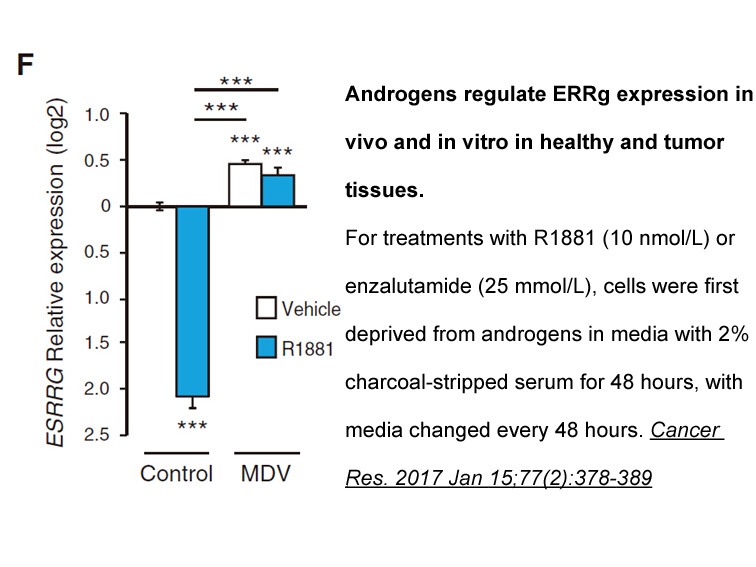
Conclusions and clinical relevance Astrogliosis and an increase in ADK is a pathologcial hallmark of epilepsy. The consequence of increased ADK in the epileptic K-7174 australia is a decrease in the ambient adenosine tone and A1R activity. As a result, systemic administration of A1R agonists or
-
Previous reports indicate that the expression
2025-02-06
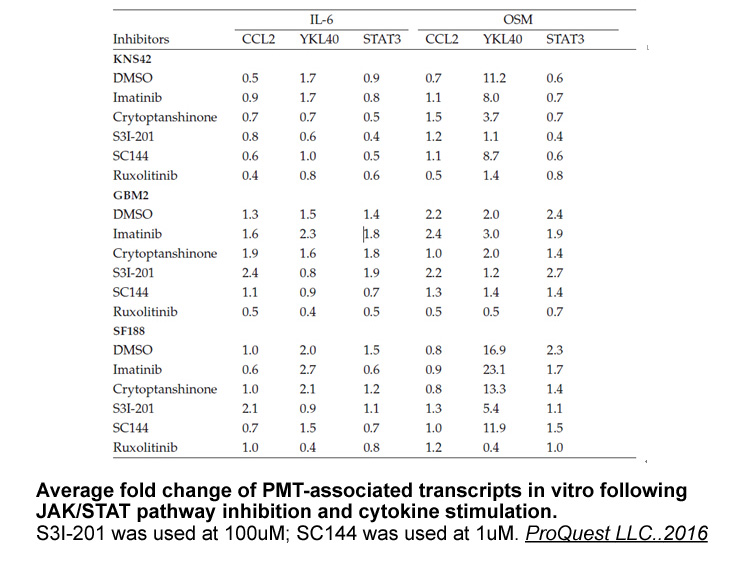
Previous reports indicate that the expression of AChRs and their clustering on myotubes are critical factors required to induce contacts on muscle fibers in a natural biological system [14], [15], [16], [17], [18], [19]. For instance, in NMJ development in the mouse, AChRs are pre-patterned at sites
-
br Acknowledgments We thank the anonymous reviewers
2025-02-06
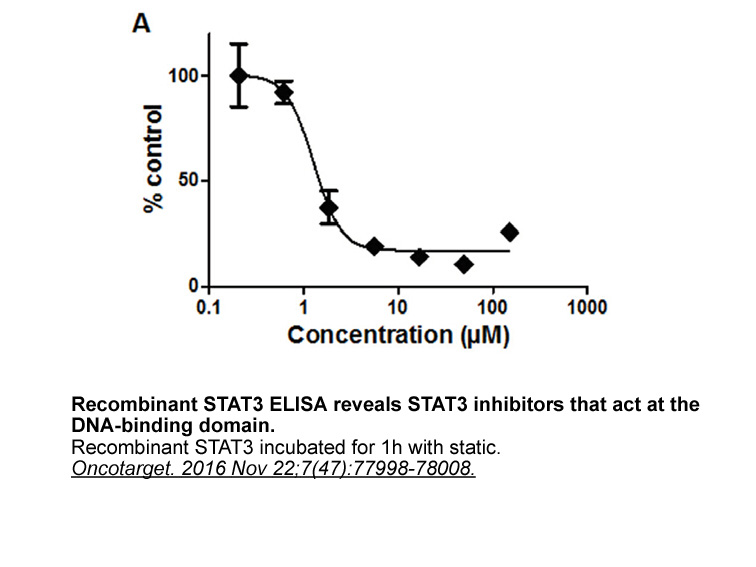
Acknowledgments We thank the anonymous reviewers for their constructive comments on the manuscript, and also thank Dr. Hans-U. Dahms for his comments on the manuscript. This work was supported by a grant from the National Research Foundation (2009-0071218) funded to Young-Mi Lee. This work was al
-
Finally we show that the optimal
2025-02-06
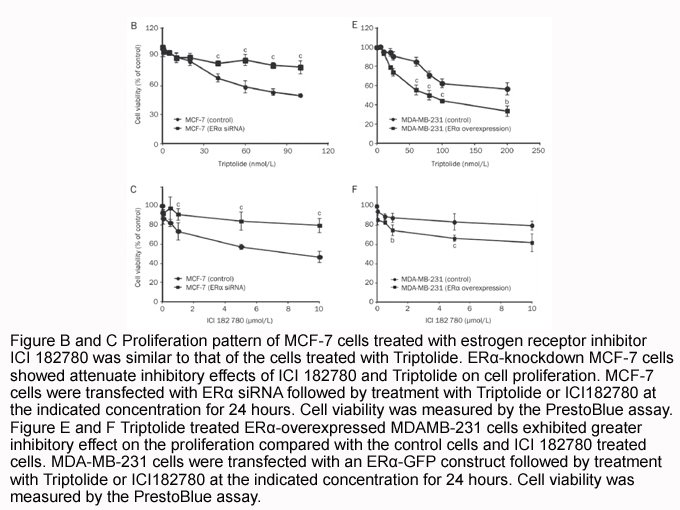
Finally, we show that the optimal corporate tax rate is strictly positive, balancing the increase in tax revenues against the loss in consumer surplus due to higher prices and fewer firms (products). This result is related to the well-known “excessive entry theorem” that shows, for a large class of
-
br Acknowledgements DHA was funded by a research grant from
2025-02-06
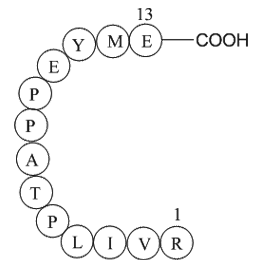
Acknowledgements DHA was funded by a research grant from Viamet and IMB and DHA were/are consultants for Viamet/Innocrin. DHA also supported by NIH P51-OD011106. Introduction Congenital adrenal hyperplasia resulting from 17alpha-hydroxylase and 17,20-lyase deficiency (17OHD) is a rare autosom
-
beta lactamase inhibitor br Acknowledgments br Introduction
2025-02-06
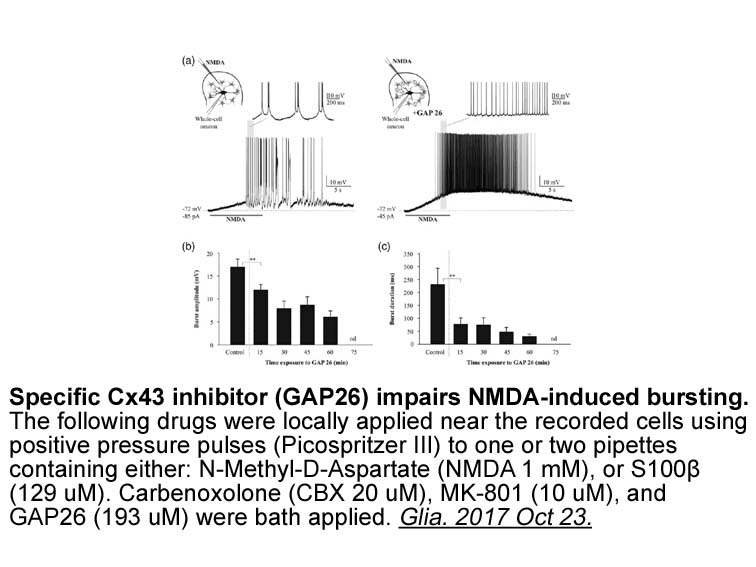
Acknowledgments Introduction Cancer is the leading cause of mortality in the United States for those between the ages of 40–79 years, surpassing heart diseases by more than 100,000 deaths [1]. The cause of most cancer subtypes remains idiopathic and may arise out of ‘bad luck’ among otherwise
-
Human lipoxygenase exists in two
2025-02-06
Human 15-lipoxygenase exists in two forms, named 15-LOX-1 (also named 12/15-LOX, 15-LO-1) and 15-LOX-2. Several reports indicate that 15-LOX-1 has a pathophysiological role in respiratory inflammatory diseases, in particular asthma. Increased activity of 15-LOX-1 is displayed in the respiratory trac
-
Phenolic compounds show reciprocal relationship with colonic
2025-02-06
Phenolic compounds show reciprocal relationship with colonic microflora. Phenolic compounds are able to improve colonic health and modulate microbiota diversity with prebiotic and antimicrobial functions, while colonic bacterial enzymes catalyze deconjugation, dehydroxylation, and convert phenolic c
-
br Technical Note Fungal spoilage of
2025-02-05
Technical Note Fungal spoilage of dairy products remains a major concern for dairy manufacturers despite the use of preventive and control approaches, including the use of chemical preservatives. Among methods that are increasingly used by industries for microbial contaminant control, biopreserva
8029 records 47/536 page Previous Next First page 上5页 4647484950 下5页 Last page