Archives
- 2026-08
- 2026-07
- 2026-06
- 2026-05
- 2026-04
- 2026-03
- 2026-02
- 2026-01
- 2025-12
- 2025-11
- 2025-10
- 2025-09
- 2025-03
- 2025-02
- 2025-01
- 2024-12
- 2024-11
- 2024-10
- 2024-09
- 2024-08
- 2024-07
- 2024-06
- 2024-05
- 2024-04
- 2024-03
- 2024-02
- 2024-01
- 2023-12
- 2023-11
- 2023-10
- 2023-09
- 2023-08
- 2023-06
- 2023-05
- 2023-04
- 2023-03
- 2023-02
- 2023-01
- 2022-12
- 2022-11
- 2022-10
- 2022-09
- 2022-08
- 2022-07
- 2022-06
- 2022-05
- 2022-04
- 2022-03
- 2022-02
- 2022-01
-
br Functional consequences of ADK regulation
2025-01-17
Functional consequences of ADK regulation on astrocyte function As outlined above (see introduction), ADK critically regulates the extracellular adenosine levels in CCT241533 hydrochloride (Boison, 2006, Etherington et al., 2009). Changes in the levels of adenosine, as a result of the regulation
-
br Materials and methods br Results br Discussion
2025-01-17

Materials and methods Results Discussion Very few ARF inhibitors have been developed to study the key functions these small GTP-binding proteins play in pathophysiology. The natural compound Brefeldin A (BFA) has exhibited drastic effects in cells such as collapse of the Golgi because of it
-
In these experiments recordings were
2025-01-17
In these experiments, recordings were performed continuously in the homecage and during the first 5 days of training on a randomized forced alternation T-maze working memory task (Figures 1A, 1B, 3A, and 3B) (Kucewicz et al., 2011). Sleep and wake states were determined by simultaneous recording of
-
Anti LT therapy by LO inhibition has been hampered by
2025-01-17

Anti-LT therapy by 5-LO inhibition has been hampered by occurring liver toxicities by Zileuton or the clinical phase II compound Atreleuton [36], [37] However both compounds possess a thiophene as well as an N-hydroxyurea moiety. These features could be linked with reactive thiophene intermediates [
-
br Cytochrome b br Cytochrome P hydroxylase lyase P
2025-01-17
Cytochrome b5 Cytochrome P450 17α-hydroxylase/17,20-lyase (P450 17A1) A number of P450s involved in steroid biosynthesis are multifunctional as they carry out two or more sequential hydroxylation reactions on the same substrate(s). P450 17A1 is a dual function endoplasmic reticulum enzyme enco
-
br Studies in zebrafish vascular
2025-01-17
Studies in zebrafish: vascular and neural development and the regulation of left–right asymmetry Zebrafish embryos represent an excellent model system to examine vertebrate vascular development. Major advantages of the zebrafish system include its genetic tractability, small size, external fertil
-
Pyrimidine is the important pharmacology
2025-01-17
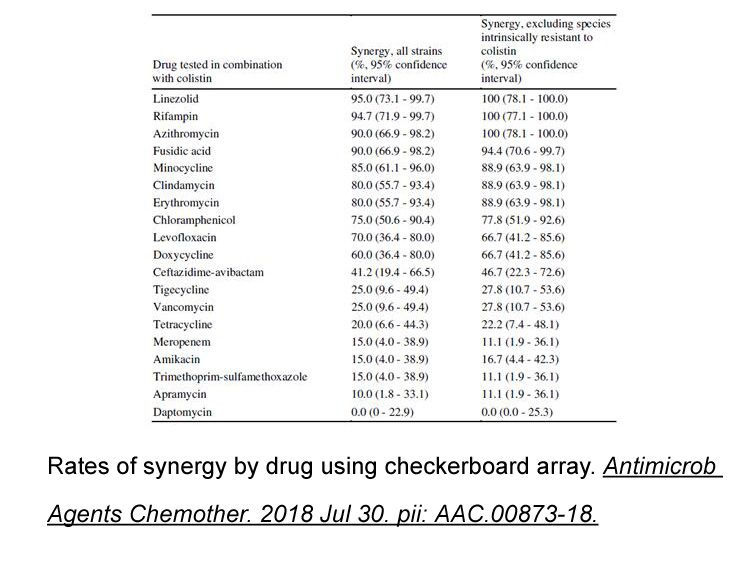
Pyrimidine is the important pharmacology core in many Aurora inhibitors, such as VX-680, ENMD-2076, CYC-116 and ENMD-2076 [12]. To identify additional effective Aurora inhibitors, we designed a series of 2,4-diaminopyrimidine compounds, our modeling studies suggested that the PAR1 modulator ML161 co
-
Although the role of apelin
2025-01-17
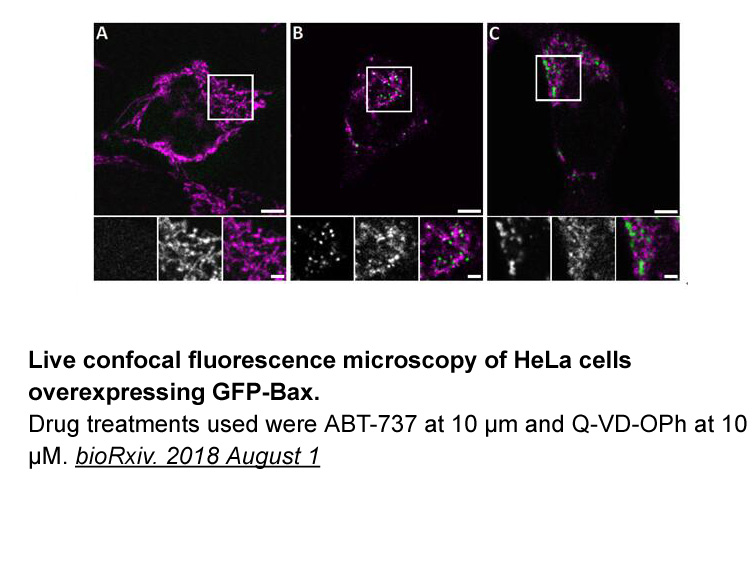
Although the role of apelin and APJ receptor in cardiovascular functions has been well-elucidated, little is known for the effect of the central apelinergic system on gastrointestinal (GI) functions. In mice, it has been found previously that central exogenous apelin-13 decreased gastric emptying (G
-
br Economics consequences of antibiotic
2025-01-16
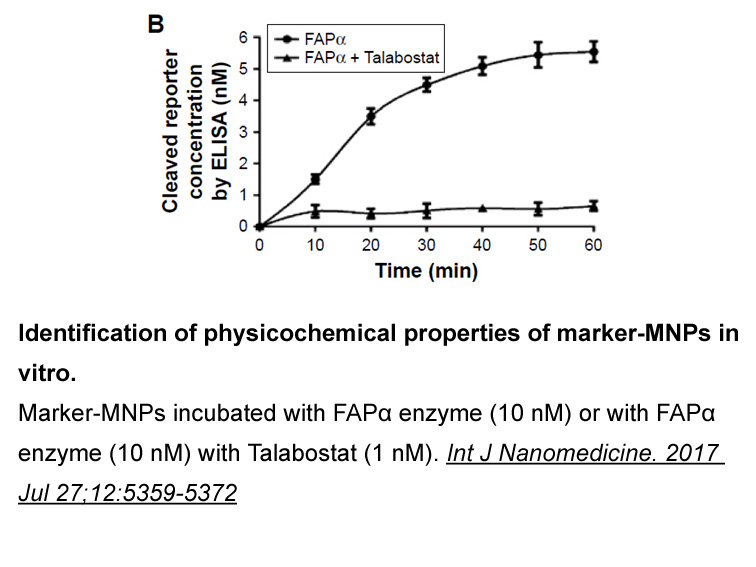
Economics consequences of antibiotic resistance in a SICU In the era of cost-containment, surgeons also need to consider the economic impact of antibiotic resistance in the surgical patient. Antibiotic-resistant infections are more difficult to treat, are more costly and more likely to be fatal t
-
Therefore a number of homoisoflavonoids may be designed in f
2025-01-16
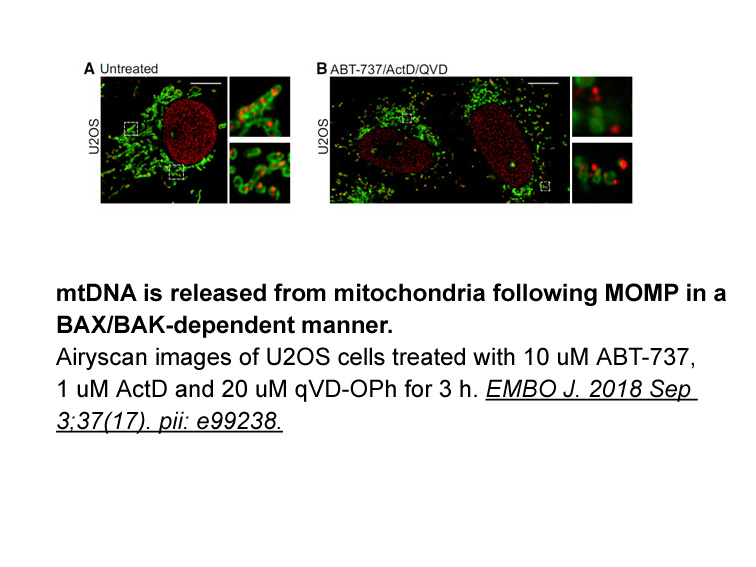
Therefore, a number of homoisoflavonoids may be designed in future that may be effective against angiogenesis for treating ocular neovascularization. As this Cancer cell proliferation inhibitor current study deals with robust molecular modeling techniques on SH-11037 (cpd 15) and related homoisofla
-
BET bromodomain inhibitor AR is expressed in cell specific h
2025-01-16
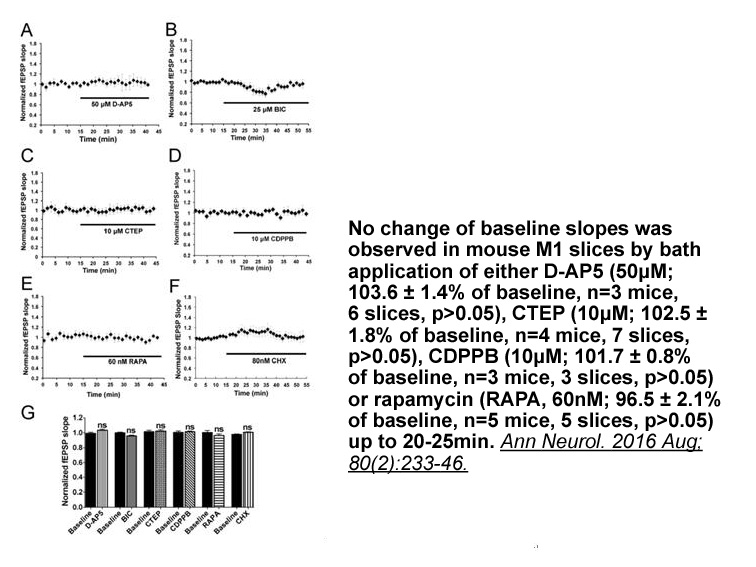
AR is expressed in cell-specific human ovarian follicles at all stages of follicular development [25]. Administration of androgens in animals demonstrated initiation of follicular recruitment, stimulation of early stages of follicular growth, and increase in the number of growing follicles [26,27].
-
The current guidelines are designed to
2025-01-16
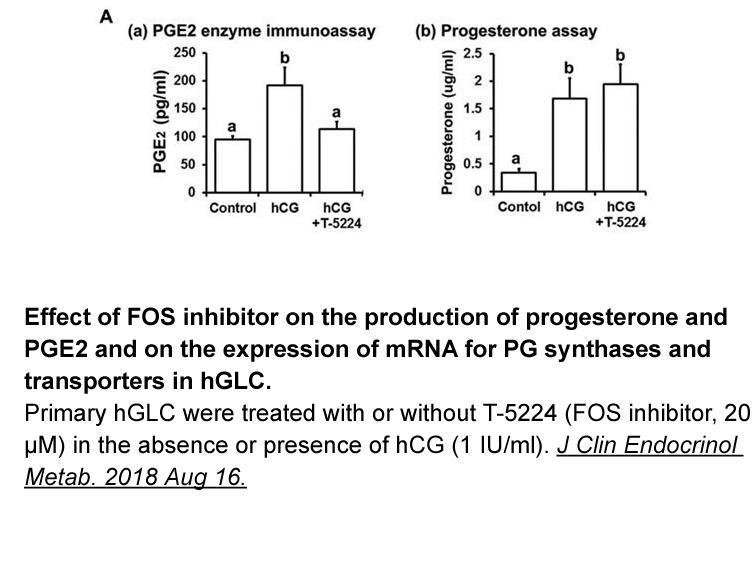
The current guidelines are designed to optimize the detection of IHC+FISH+ cases, most of which (but not all encountered in our study) being classically good responders to crizotinib therapy (resistance mechanisms to crizotinib therapy were not investigated in our study). In addition to the current
-
The PAS domains of AHR
2025-01-16
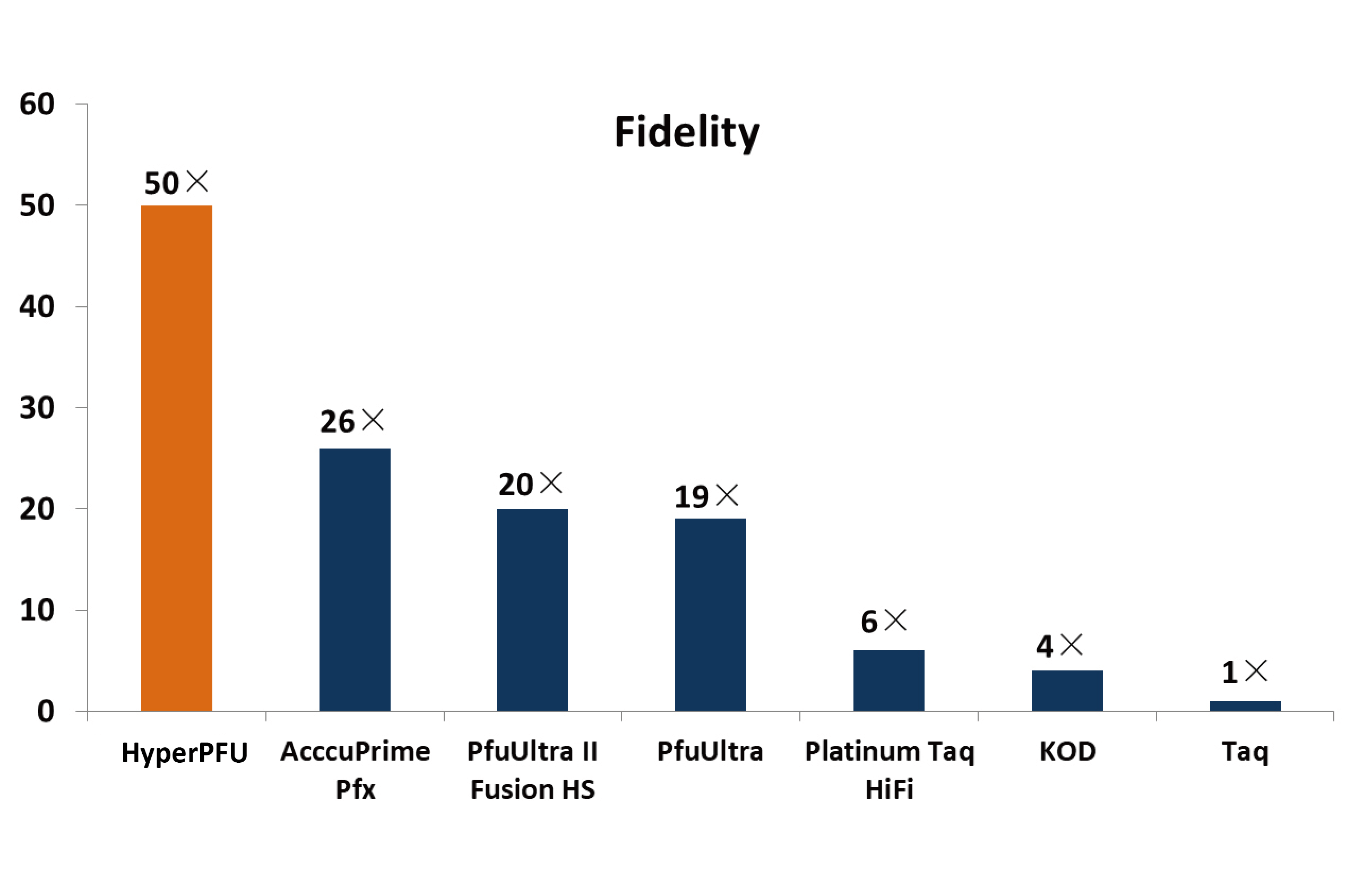
The PAS domains of AHR consist of two regions, PAS-A and PAS-B, which function as interfaces for dimerization with ARNT and for ligand binding, respectively [14]. Although both the bHLH and the PAS-A domains have been shown to be involved in dimerization with ARNT, a recent report suggests that only
-
AMPK is an essential player in adiponectin signaling pathway
2025-01-16
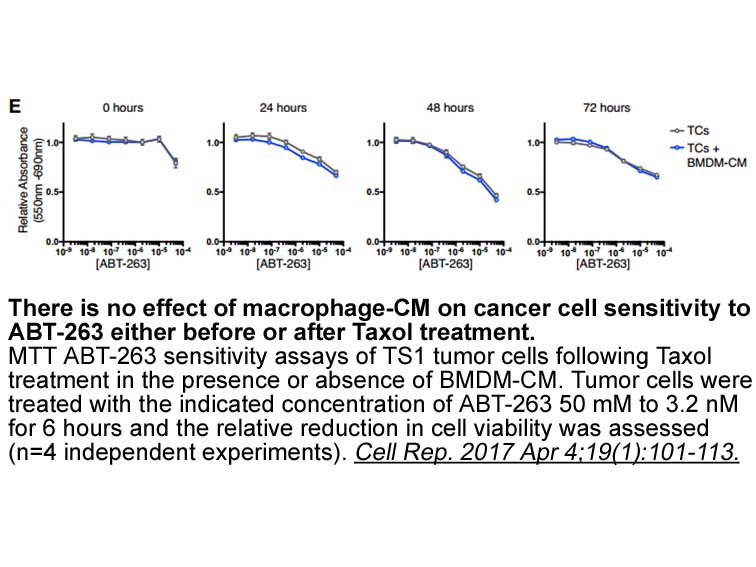
AMPK is an essential player in adiponectin signaling pathway that regulates energy metabolism. The fact that suppression of AMPK activity by compound C largely diminished candesartan-mediated inhibition of NFκB via blocking AT1 also suggests that the AT1-mediated effect is at least partly resulted f
-
Extracellular adenosine acts as a local modulator of cell
2025-01-16
Extracellular adenosine acts as a local modulator of cell function via four adenosine receptor subtypes (A1Rs A2AR, A2BR, and A3R) that are involved in numerous physiological and pathophysiological processes [31]. Each is encoded by a separate gene and has different functions, although with some ove
8029 records 56/536 page Previous Next First page 上5页 5657585960 下5页 Last page