Archives
- 2026-08
- 2026-07
- 2026-06
- 2026-05
- 2026-04
- 2026-03
- 2026-02
- 2026-01
- 2025-12
- 2025-11
- 2025-10
- 2025-09
- 2025-03
- 2025-02
- 2025-01
- 2024-12
- 2024-11
- 2024-10
- 2024-09
- 2024-08
- 2024-07
- 2024-06
- 2024-05
- 2024-04
- 2024-03
- 2024-02
- 2024-01
- 2023-12
- 2023-11
- 2023-10
- 2023-09
- 2023-08
- 2023-06
- 2023-05
- 2023-04
- 2023-03
- 2023-02
- 2023-01
- 2022-12
- 2022-11
- 2022-10
- 2022-09
- 2022-08
- 2022-07
- 2022-06
- 2022-05
- 2022-04
- 2022-03
- 2022-02
- 2022-01
-
On the other hand our study
2024-12-27
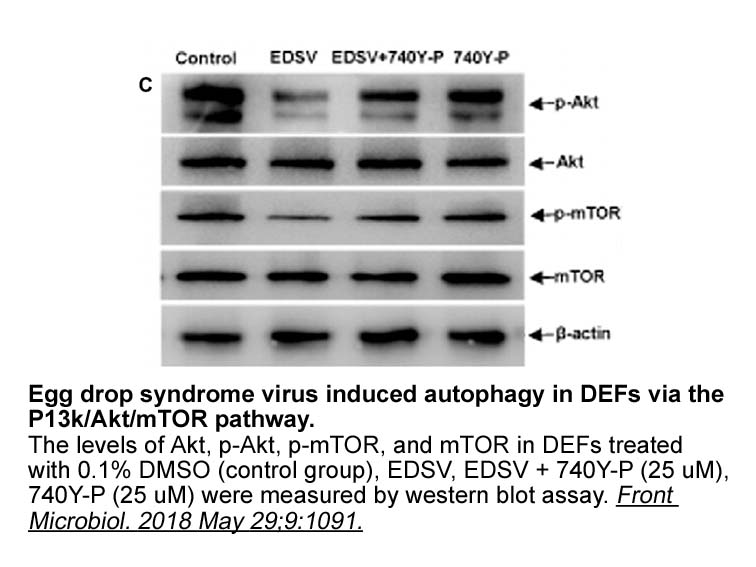
On the other hand, our study permits to draw general conclusions about the complex functional pattern of C4HT, C8HT and C12HT, in comparison with the parent molecule HT and two reference compounds like Trolox and vitamin E. Table 1 summarizes the results obtained in the present investigation (for th
-
Hsp also called FK binding
2024-12-27
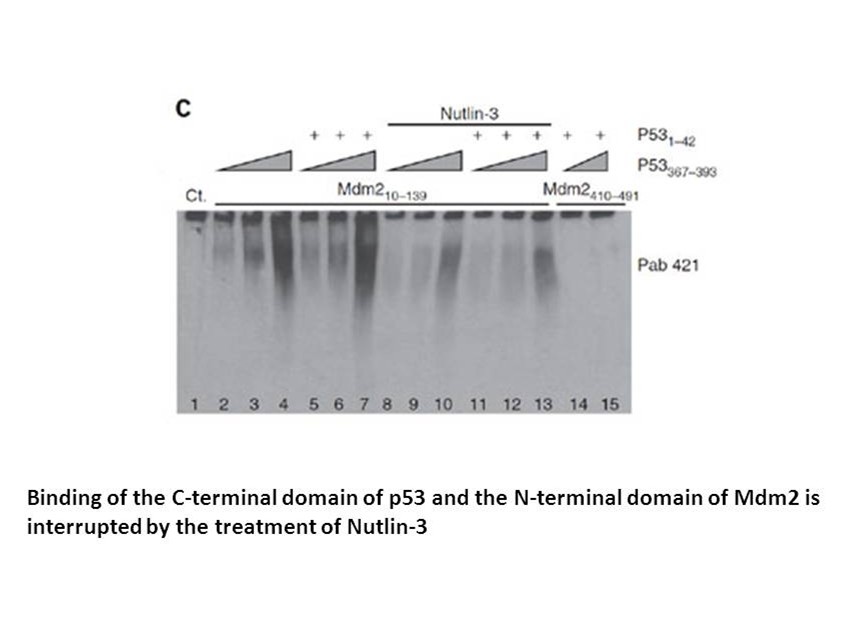
Hsp56 (also called FK506-binding protein 52, FKBP52) is one of the steroid receptor-associated immunophilins with tetratricopeptide repeat domains, which serve as binding sites for Hsp90 (Peattie et al., 1992). Hsp56 is elevated in breast cancer compared with normal breast tissue (Ward et al., 1999)
-
br Results and discussion The soil fungus PSU RSPG
2024-12-27
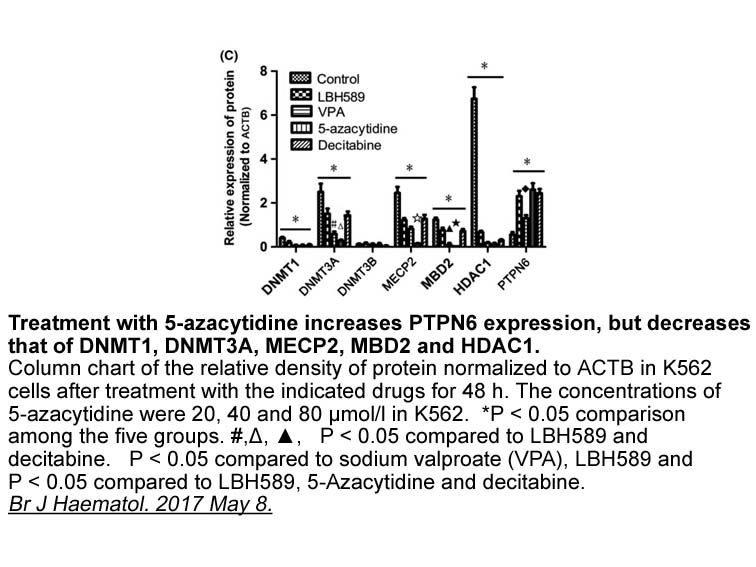
Results and discussion The soil fungus PSU-RSPG37 (BCC56870) was isolated from soil samples collected from Rajjaprabha Dam, Suratthani Province, Thailand. The fungus was deposited at BIOTEC Culture Collection, National Center for Genetic Engineering and Biotechnology (BIOTEC), Thailand Science Pa
-
The fluorescence in a fluorescent antibiotic can be derived
2024-12-27
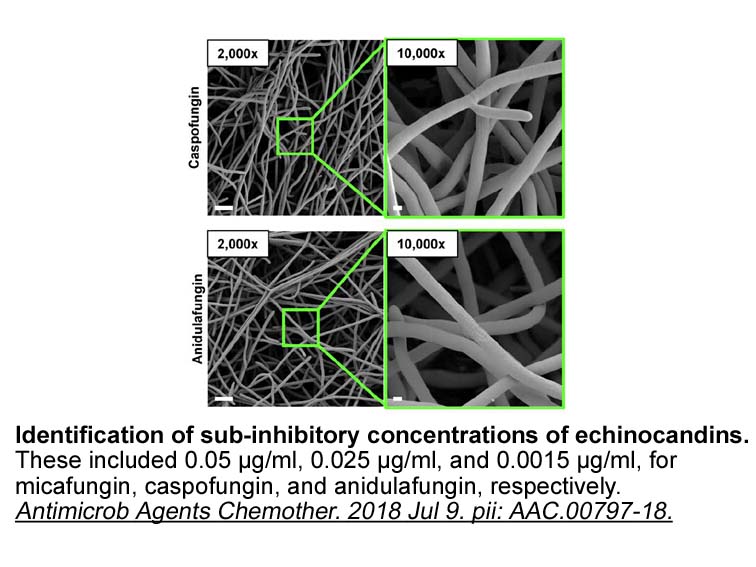
The fluorescence in a fluorescent antibiotic can be derived either from functional groups with intrinsic fluorescence in an existing antibiotic, or via synthetic conjugation of a fluorophore to an antibiotic core to enable visualisation. Attachment of fluorophore to an antibiotic should ideally not
-
Studies have demonstrated that AT plays a greater role
2024-12-27
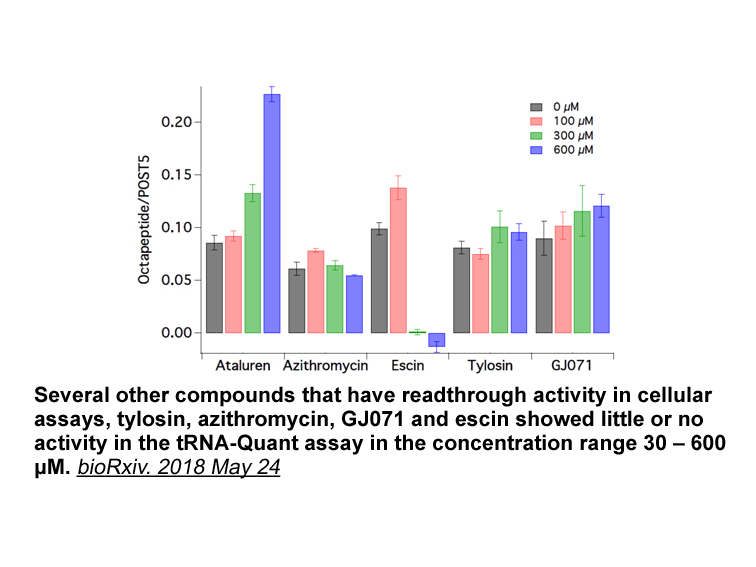
Studies have demonstrated that AT2 plays a greater role in modulating arterial pressure in females than in males. Chronic low-dose infusion of Ang II decreased blood pressure in female rats at a dose that had negligible effects in males. Furthermore, AT2 blockade eliminates the depressor response to
-
Immunohistochemistry in tissue samples showed the expression
2024-12-27
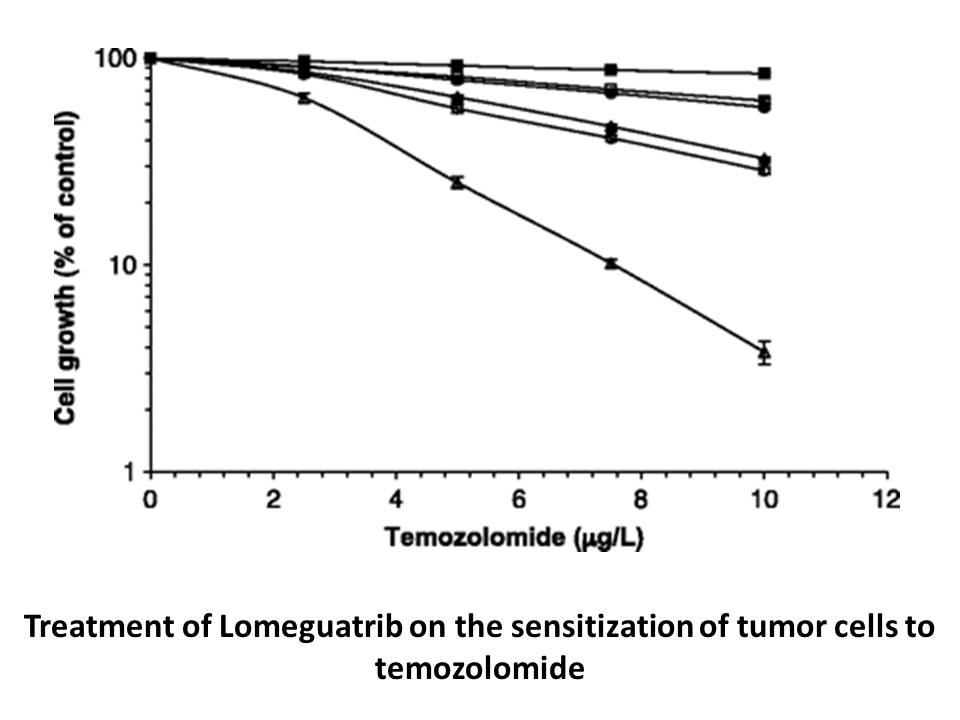
Immunohistochemistry in tissue samples showed the expression of several nuclear receptor co-activators, including NCOA1, NCOA2, NCOA3, CREBBP, and EP300, in 85–100% of SB 747651A dihydrochloride receptor tumors even some of which lacked AR expression (Boorjian et al., 2009). Knockdown of each co-ac
-
The chronic induction of skeletal muscle AMPK activity
2024-12-27
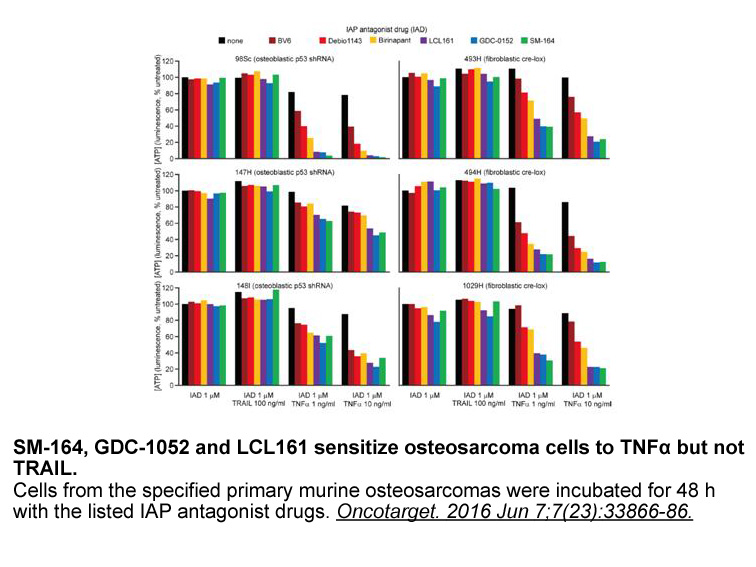
The chronic induction of skeletal muscle AMPK activity is an attractive therapeutic approach for DMD, as it addresses multiple cellular pathways needed for powerful phenotypic plasticity, including activation of the slow oxidative myofiber program, corrective autophagic signaling, as well as regulat
-
Our research group has been involved by many
2024-12-27
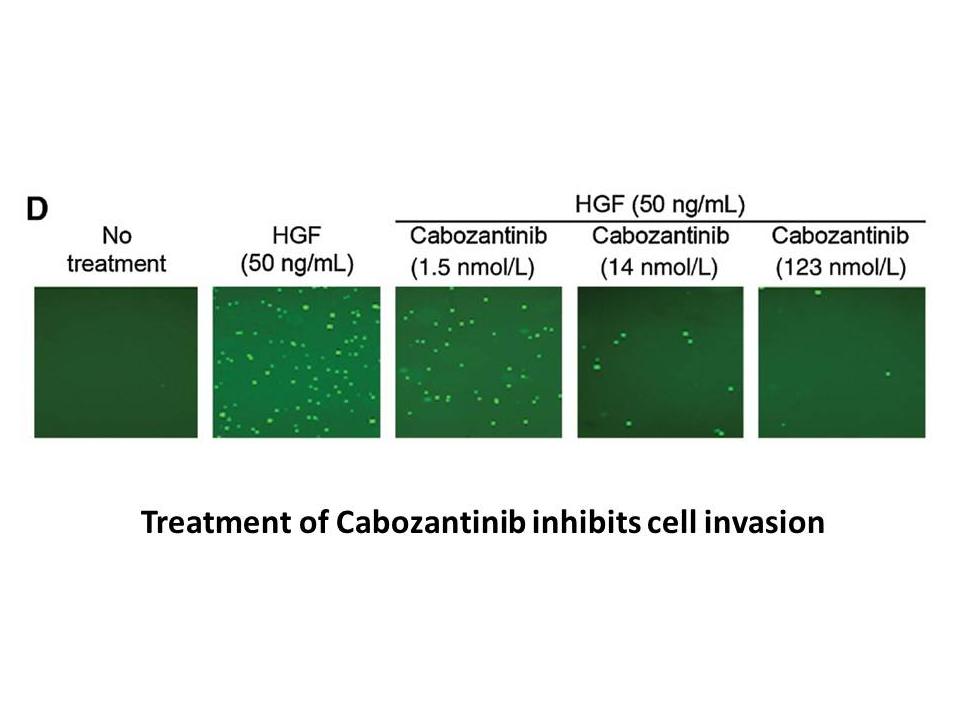
Our research group has been involved by many years in the synthesis of new 2,3-benzodiazepin-4-ones (e.g. 1, Fig. 1) and in the characterization of their mechanism of action.15, 16, 17 Within the development of these compounds, we demonstrated that an improvement of AMPAR antagonism by 2,3-benzodiaz
-
A characteristic of iron present in
2024-12-27
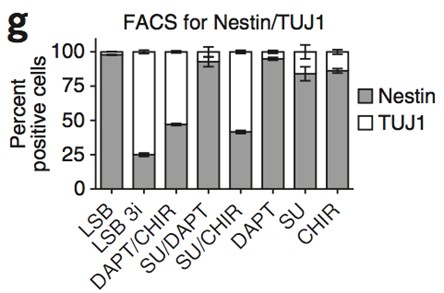
A characteristic of iron present in brain fluids is considerable differences between measured values of ferritin and transferrin and the total iron content value (Table 1). Variation of the latter is compatible with differences in individual metabolisms. However differences between total iron conten
-
It was also shown that of crizotinib
2024-12-27

It was also shown that 15% of crizotinib resistance mechanisms can be due to an amplification of ALK gene while 30% are caused by a variety of secondary mutations (S1206Y, G1202R, L1196M, C1156Y, G1269A, L1152R, F1174L and 1151Tins) in ALK tyrosine kinase. These mutations can modify the conformation
-
br Introduction The traditional Chinese medicine TCM
2024-12-27
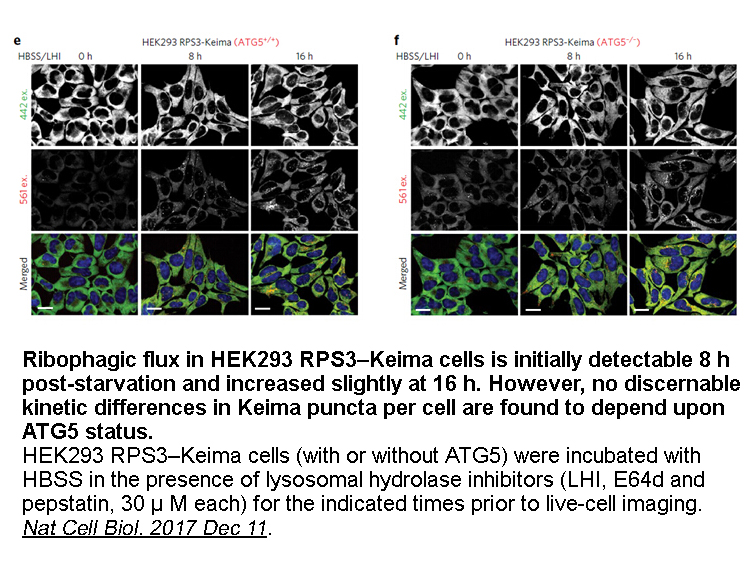
Introduction The traditional Chinese medicine (TCM), Ganoderma (G.) lucidum Karst is a well-known mushroom which has been used clinically in some Asian countries. It is termed “Lingzhi” in China, “Reishi” in Japan and “Yeongji” in Korea. It has long been used in TCM for the promotion of longevity
-
Fulvestrant breast cancer drug AHR is essential for IL produ
2024-12-27

AHR is essential for IL-22 production by T Fulvestrant breast cancer drug and ILC3s [83]. Coexpression of AHR and RORγt by retroviral transduction in a thymoma cell line, EL4, synergistically upregulates IL-22 expression [48]. The cooperativity between AHR and RORγt has also been observed in primar
-
Our previous work fails to show any
2024-12-26
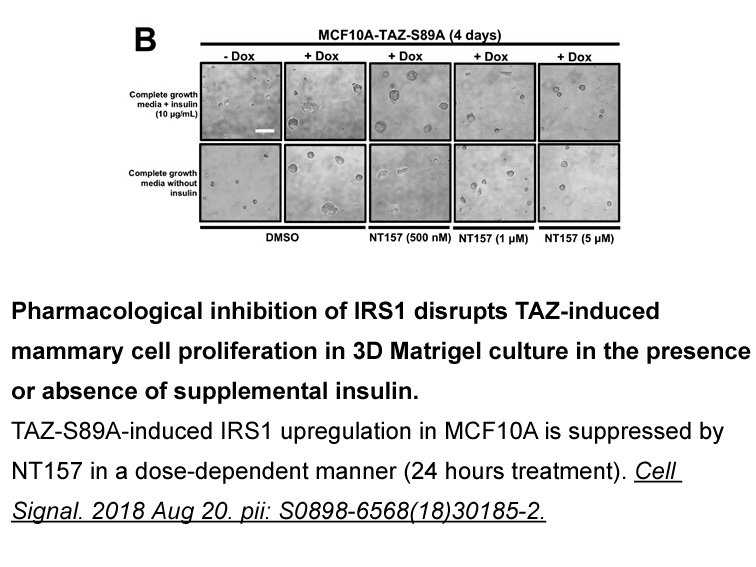
Our previous work fails to show any maternal effect with blockade of 5-HT2A receptor, as acute and repeated treatment of MDL100907 does not alter maternal behavior at the behaviorally active doses (Chen et al., 2014). In the present study, MDL100907 pretreatment attenuated the maternal disruptive ef
-
Our published data showed that
2024-12-26
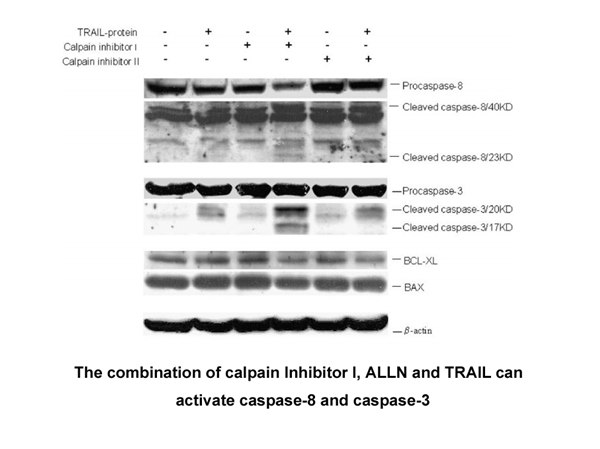
Our published data showed that, in mouse heart, the protein level of WDR1 was highest during the embryonic stage, but became progressively decreased to a constant level from birth to adulthood (Yuan et al., 2014), indicating an important role of WDR1 in embryonic heart development. However, function
-
HT receptors are distributed throughout the
2024-12-26
5-HT3 receptors are distributed throughout the brain, within the brainstem (e.g., nucleus tractus solitarius, area postrema and spinal trigeminal nucleus) and tryptophan hydroxylase (e.g., hippocampus, amygdala, nucleus accumbens, putamen and caudate) (Abi-Dargham et al., 1993, Barnes et al., 1989,
8029 records 64/536 page Previous Next First page 上5页 6162636465 下5页 Last page