Archives
- 2026-08
- 2026-07
- 2026-06
- 2026-05
- 2026-04
- 2026-03
- 2026-02
- 2026-01
- 2025-12
- 2025-11
- 2025-10
- 2025-09
- 2025-03
- 2025-02
- 2025-01
- 2024-12
- 2024-11
- 2024-10
- 2024-09
- 2024-08
- 2024-07
- 2024-06
- 2024-05
- 2024-04
- 2024-03
- 2024-02
- 2024-01
- 2023-12
- 2023-11
- 2023-10
- 2023-09
- 2023-08
- 2023-06
- 2023-05
- 2023-04
- 2023-03
- 2023-02
- 2023-01
- 2022-12
- 2022-11
- 2022-10
- 2022-09
- 2022-08
- 2022-07
- 2022-06
- 2022-05
- 2022-04
- 2022-03
- 2022-02
- 2022-01
- 2021-12
- 2021-11
- 2021-10
- 2021-09
- 2021-08
- 2021-07
- 2021-06
- 2021-05
- 2021-04
- 2021-03
- 2021-02
- 2021-01
- 2020-12
- 2020-11
- 2020-10
- 2020-09
- 2020-08
- 2020-07
- 2020-06
- 2020-05
- 2020-04
- 2020-03
- 2020-02
- 2020-01
- 2019-12
- 2019-11
- 2019-10
- 2019-09
- 2019-08
- 2019-07
- 2019-06
- 2019-05
- 2019-04
- 2018-11
- 2018-10
- 2018-07
-
br Experimental Procedures br Author Contributions H
2020-08-17
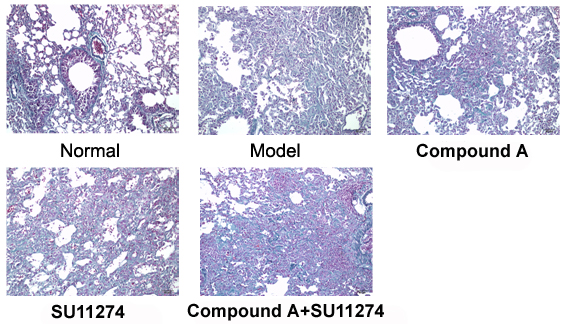
Experimental Procedures Author Contributions H.G. and X.-Y.F. conceived and designed the project. H.G., D.V.D., and X.L. performed most of the experiments and analyzed the data. L.X. helped on Mettl8 KO ESC, RIP, and translational study. Y.S. performed FACS analysis. Y.W. helped with cardiomyo
-
Introduction Ewing sarcomas primitive neuroectodermal tumors
2020-08-17

Introduction Ewing sarcomas/primitive neuroectodermal tumors (ES/PNETs) are relatively infrequent but the second most common sarcoma of the bone next to osteosarcoma. Nearly 80% of them occur in persons younger than 20years. Most of them arise from the bone, but 10 to 20% of them from soft tissue.
-
Ultrasound is an acoustic wave with a frequency
2020-08-17
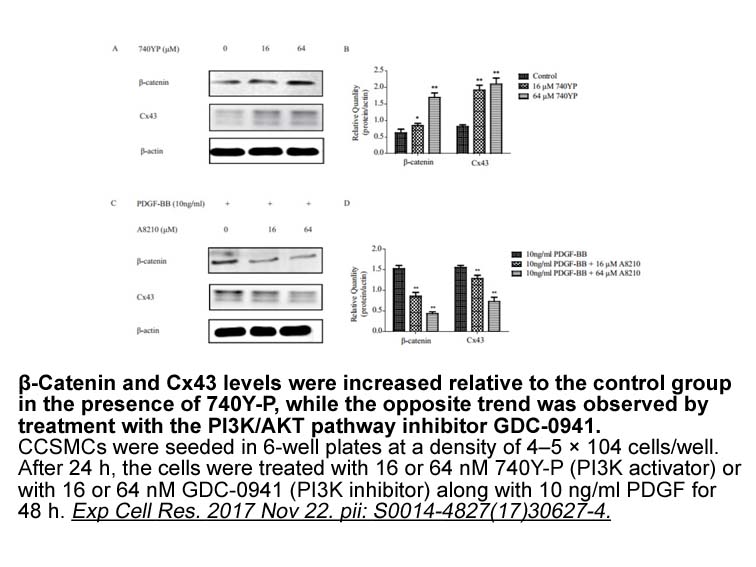
Ultrasound is an acoustic wave with a frequency >20 kHz that needs a medium to propagate [20]. Accompanied by the spread of an ultrasonic wave, a series of alternating cycles of compression and rarefaction emerge in the liquid medium. During the rarefaction cycle, microbubbles are formed because of
-
The interest for lanthanide and actinide complexes appeared
2020-08-14
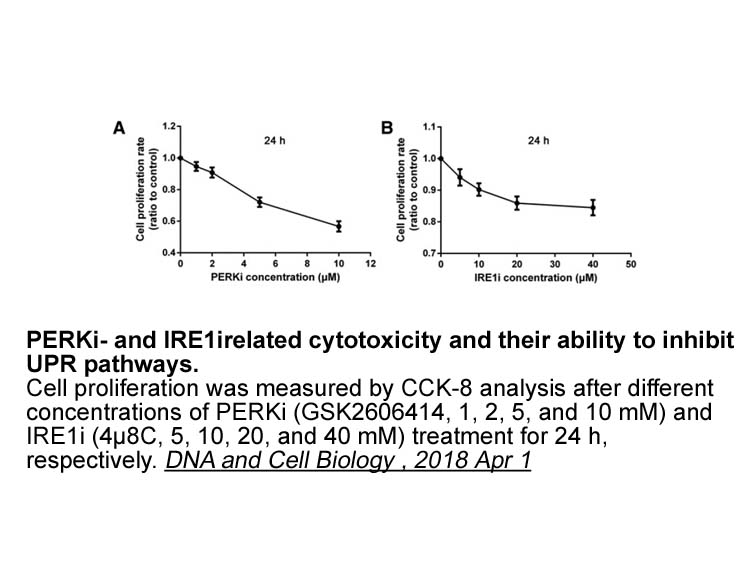
The interest for lanthanide and actinide complexes appeared again recently, due to their unique features in the design of Single Molecule Magnets (SMM). Lanthanide SMMs are interesting due to large their intrinsic magnetic anisotropy, but their core 4f orbitals minimally participate in exchange inte
-
Ubiquitination is a reversible posttranslational modificatio
2020-08-14

Ubiquitination is a reversible posttranslational modification. The removal of Ub is carried out by enzymes known as deubiquitinases (DUBs). The antagonistic role played by these enzymes in the Ub pathway regulates the function of the ubiquitinated proteins, while maintaining the free Ub pool in euka
-
Real time PCR as described previously with minor modificatio
2020-08-14

Real-time PCR, as described previously with minor modifications, was used to detect DNA . The PCR mixture (Qiagen) was as follows: 5mM MgCl2, 2.5μl of 10x PCR Buffer, 0.125μl of HotStarTaq DNA Polymerase, 0.25mM of each dNTP, 0.4μM of each primer and 0.1μM of FAMlabelled probe (‘5-aacaattggagggcaag
-
Herein we report the expression of shrimp Cdk
2020-08-14
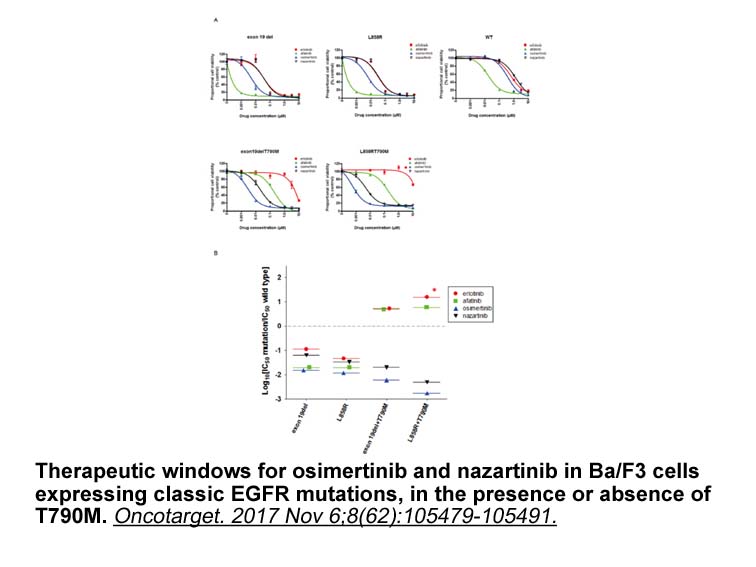
Herein we report the expression of shrimp Cdk-2 in hepatopancreas, gills and muscle, finding higher expression in hepatopancreas and gills and lower expression in muscle. No significant changes due to hypoxia and hypoxia reoxygenation were detected on the expression of Cdk-2 in hepatopancreas and gi
-
endothelin receptor antagonists Grapiprant is a selective an
2020-08-13
Grapiprant () is a selective antagonist for prostaglandin E (PGE) receptor subtype 4 (EP4) identified as a clinical candidate for the treatment of inflammatory pain associated with osteoarthritis (OA). It is currently under development for use in humans and dogs. The projected dosing regimen of grap
-
TgTCEA from petals TgTCEA and TgTCEB from pollen grains TgTC
2020-08-13
TgTCEA from petals (TgTCEA1) and TgTCEB from pollen grains (TgTCEB1) were used throughout the study. The recombinant enzymes were expressed in , and purified as the His-tag-free forms as described previously., Enzyme reactions were performed at 4 mM substrates under the same conditions as described
-
br A brief introduction to DUBs The
2020-08-13
A brief introduction to DUBs The reversal of ubiquitin conjugation of targeted proteins relies on deubiquitinating am630 (DUBs), which catalytically cleave single Ub or poly-ubiquitin chains from proteins. The human genome encodes approximately 100 potential DUBs which can be classified into six
-
Introduction Trichloroacetic acid TCA might enhance
2020-08-13

Introduction Trichloroacetic 4-IPP (TCA) might enhance the activation of T cells and disrupt various activities of peripheral T cells [1], which is related to human immune function and reduces human immunity. Trichloroethylene (TCE) has been widely used in many manufacturing industries [2], and it
-
The aniline R group was extensively explored and
2020-08-13
The aniline R2 group was extensively explored and a large variety of substitution was tolerated at several positions on the aryl ring (). Notably, substitution at the 3-position often gave increased potency. Increasing lipophilic bulk at this position gave increasing potency within an ether series (
-
Introduction Quassinoids are natural products formed through
2020-08-13
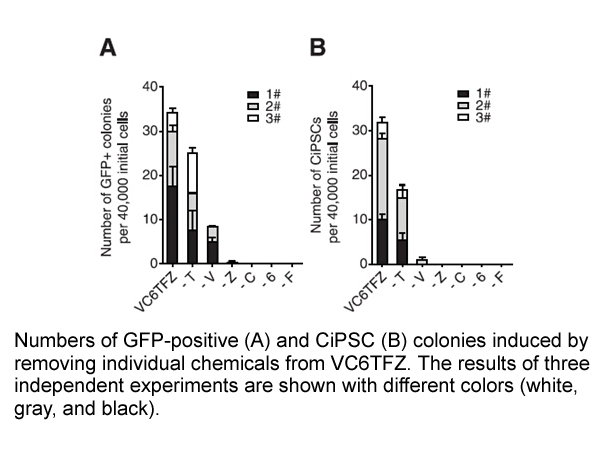
Introduction Quassinoids are natural products formed through the oxidative degradation of triterpene derivatives with anti-inflammatory, antimicrobial, antineoplastic, and antiplasmodial effects (Chakraborty and Pal, 2013; Houël et al., 2013). They are characteristic ingredients of the family Simar
-
DGK is highly expressed in skeletal muscle which
2020-08-12
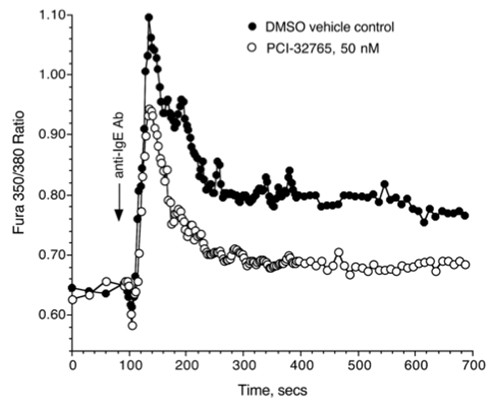
DGKδ is highly expressed in skeletal muscle [7], which is a primary target of insulin for glucose disposal [14]. Notably, Chibalin et al. reported that DGKδ contributes to hyperglycemia-induced peripheral insulin resistance and that decreased protein levels of DGKδ in skeletal muscle attenuated gluc
-
br Conclusions In conclusion we identified and overexpressed
2020-08-12

Conclusions In conclusion, we identified and overexpressed DGAT2 in fast growing, oleaginous N. oceanica for the first time. The engineered N. oceanica overexpressing DGAT2 resulted in enhanced neutral lipid accumulation and altered fatty thymidylate synthase inhibitors composition. Altogether,
16235 records 813/1083 page Previous Next First page 上5页 811812813814815 下5页 Last page